

Published on January 11, 2025
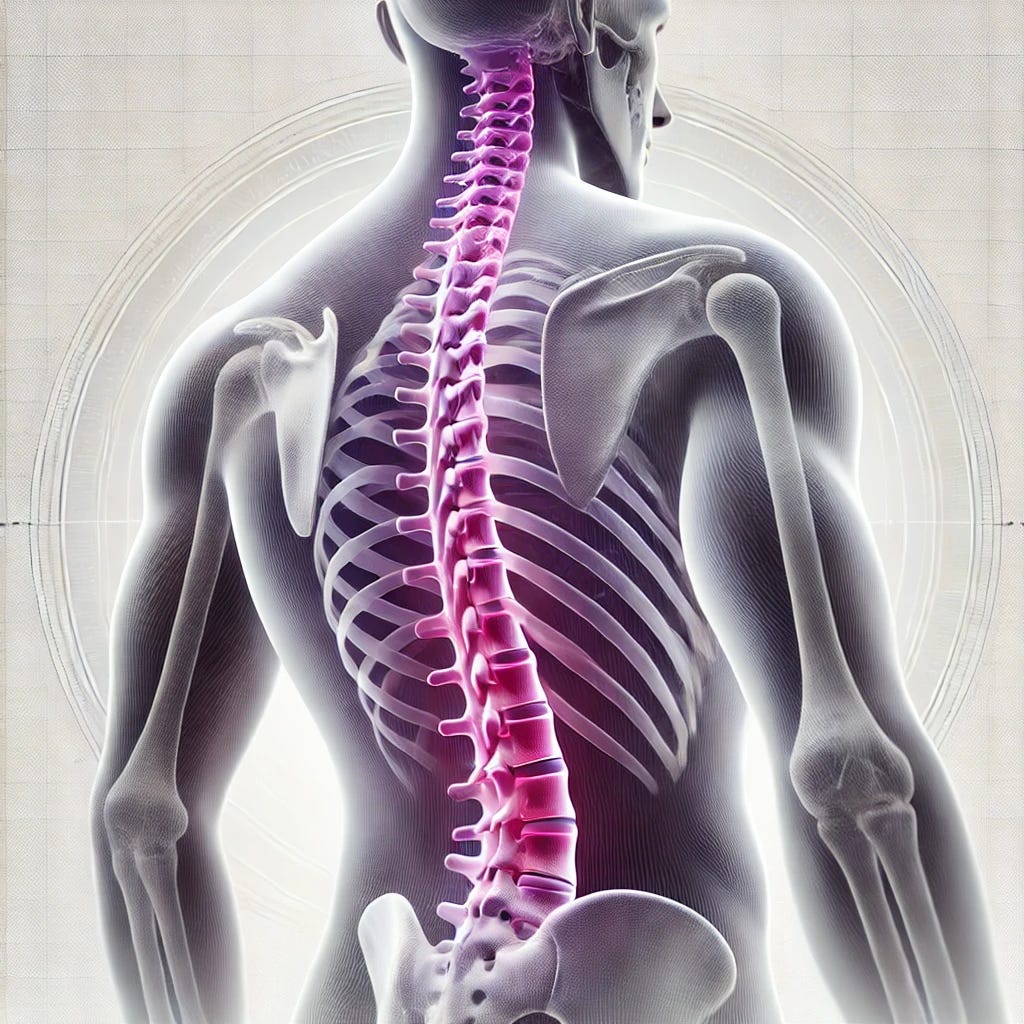
Scoliosis, a condition characterized by an abnormal curvature of the spine, has long been managed through various conservative and surgical treatments. One conservative method gaining popularity is the Schroth method, a specialized, exercise-based approach aimed at reducing spinal curvature and improving quality of life. But how effective is it really? Let’s dive into the latest research to uncover the truth.
What is the Schroth Method?
Developed by Katharina Schroth in the early 20th century, the Schroth method focuses on scoliosis-specific exercises designed to elongate and stabilize the spine. These exercises incorporate breathing techniques and posture correction, tailored to each patient’s unique spinal curvature.
What Does the Research Say?
Recent studies offer growing support for the Schroth method, particularly for adolescents with idiopathic scoliosis:
A 2022 systematic review and meta-analysis reported that both Schroth and core stabilization exercises positively affected individuals with idiopathic scoliosis, with the Schroth method showing a larger effect size in reducing the Cobb angle and enhancing quality of life (Kim & Hwang, 2022).
Reference: Kim H, Hwang J. Effects of Schroth and Core Stabilization Exercises on Idiopathic Scoliosis. Eur Spine J. 2022. Link
Another 2022 meta-analysis found that the Schroth method had moderate to large effects in reducing the Cobb angle and angle of trunk rotation while improving quality of life in patients with idiopathic scoliosis (Choi et al., 2022).
Reference: Choi S, et al. Efficacy of the Schroth Method in Idiopathic Scoliosis: A Meta-Analysis. Int J Environ Res Public Health. 2022;19(24):16730. Link
Addressing Past Criticism
Earlier reviews, such as the 2016 Cochrane review, called for more high-quality studies, citing limited evidence supporting scoliosis-specific exercise interventions. However, the recent studies have responded to these critiques by incorporating larger sample sizes, more rigorous methodologies, and standardized outcome measures.
Caveats and Considerations
While the evidence supporting the Schroth method has grown stronger, certain caveats must be acknowledged:
Population Specificity: Most research focuses on adolescents with idiopathic scoliosis. Evidence for adults or other scoliosis types remains limited.
Treatment Adherence: Success relies heavily on patient commitment to consistent practice.
Combination Therapy: Schroth exercises often work best when combined with bracing or other treatments.
Is the Schroth Method Superior to Other Treatments?
Compared to other scoliosis-specific exercises, the Schroth method has demonstrated superior long-term outcomes, particularly in reducing spinal curvature and enhancing quality of life. However, it may not be suitable for all patients, and treatment decisions should be individualized.
When Might the Schroth Method Not Be Appropriate?
Severe Scoliosis: Patients with severe or rapidly progressing curves may require surgical intervention.
Low Adherence: Patients unable or unwilling to commit to regular exercise may not achieve optimal results.
Conclusion
Based on current evidence, the Schroth method stands as an effective, non-invasive approach for managing adolescent idiopathic scoliosis, especially when incorporated into a comprehensive treatment plan. However, patient selection, adherence, and individualized care remain key factors for success.
References:
1. Kim H, Hwang J. Effects of Schroth and Core Stabilization Exercises on Idiopathic Scoliosis. Eur Spine J. 2022. Link
2. Choi S, et al. Efficacy of the Schroth Method in Idiopathic Scoliosis: A Meta-Analysis. Int J Environ Res Public Health. 2022;19(24):16730. Link
3. Negrini S, et al. Exercise for adolescent idiopathic scoliosis. Cochrane Database Syst Rev. 2016.
---
Empowering patients with evidence-based insights for better care.
---