
Understanding Relative Energy Deficiency in Sport (RED-S): A Comprehensive Guide for Physical Therapists and Patients

Introduction
Relative Energy Deficiency in Sport (RED-S) is a complex condition that impacts athletes across all levels and disciplines. Rooted in an imbalance between energy intake and energy expenditure, RED-S disrupts physiological function, health, and performance. This guide unpacks the causes, risk factors, signs, and symptoms of RED-S, while also highlighting how physical therapists can play a pivotal role in recovery and prevention.
What Is RED-S?
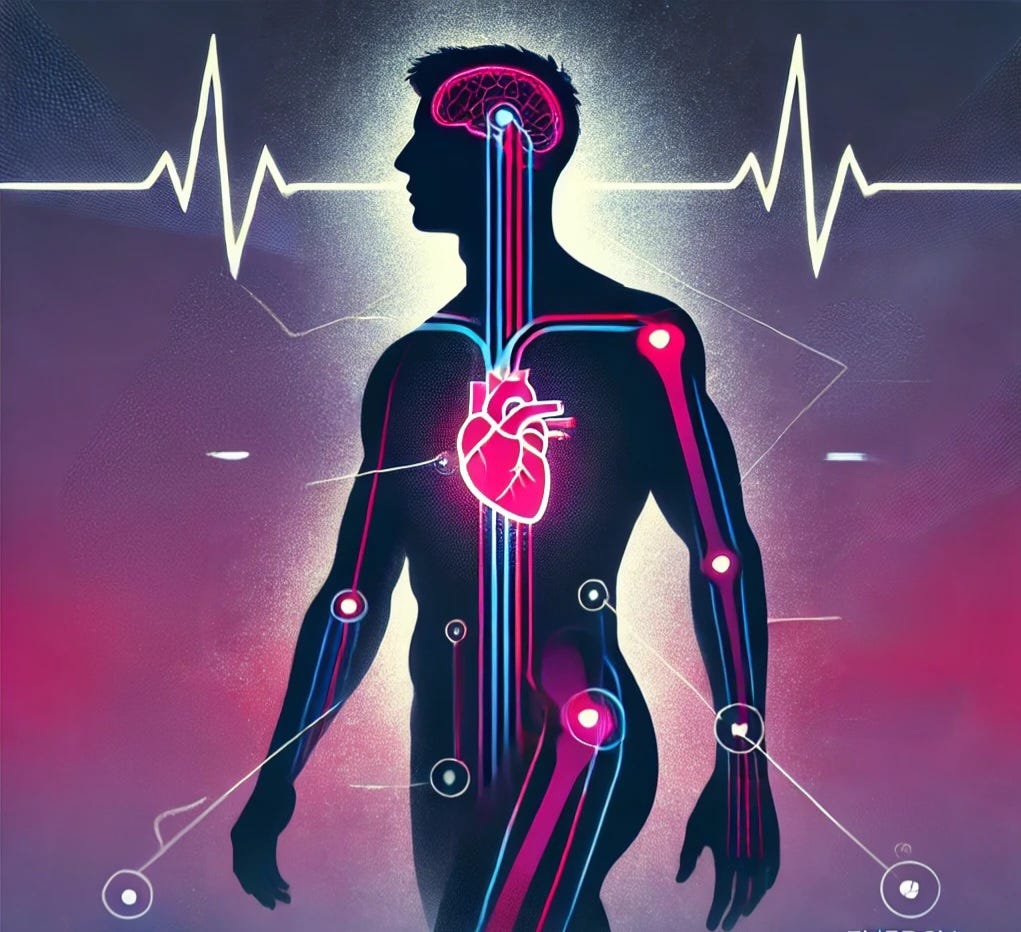
RED-S expands upon the Female Athlete Triad, shedding light on how low energy availability (LEA) affects athletes of all genders. When an athlete's energy intake fails to meet the demands of training and daily activities, the body reallocates energy away from essential functions to meet immediate demands. This can impair:
Metabolism
Cardiovascular health
Immune response
Bone health
Endocrine function
Mental health
At its core, RED-S highlights the critical connection between energy balance and overall well-being.
Who Is at Risk?
Certain sports and demographics are more prone to RED-S due to specific physical, cultural, and behavioral demands:
Endurance athletes: Runners, cyclists, and triathletes often face high training volumes that outpace their energy intake.
Aesthetic sports participants: Gymnasts, dancers, and figure skaters may feel pressure to maintain a particular physique.
Weight-class athletes: Wrestlers, rowers, and boxers often experience rapid weight fluctuations.
Adolescents: High energy demands for growth and development put younger athletes at risk.
Masters athletes: Aging athletes face slower metabolic rates but may maintain rigorous training schedules.
Recognizing the Signs and Symptoms
RED-S often develops subtly, making early detection challenging. Its effects span physical, hormonal, and psychological domains:
Physical signs: Fatigue, frequent injuries (e.g., stress fractures), and delayed recovery.
Hormonal changes: Irregular or absent menstrual cycles in females and reduced testosterone levels in males.
Bone health: Reduced bone mineral density, increasing the risk of fractures.
Performance issues: Reduced strength, endurance, and coordination.
Psychological indicators: Depression, anxiety, and disordered eating patterns.
Recognizing these symptoms early empowers athletes to address the condition proactively, fostering a more sustainable approach to health and performance.
How Physical Therapy Can Help
Physical therapists are uniquely positioned to assist athletes in managing RED-S. Their role includes:
1. Rehabilitation: Treating stress fractures, muscle strains, and overuse injuries associated with RED-S.
2. Movement assessment: Identifying biomechanical inefficiencies that may increase injury risk.
3. Exercise prescription: Creating safe, effective training programs to maintain fitness while balancing energy expenditure.
4. Education: Guiding athletes in understanding RED-S, emphasizing recovery, and promoting balanced nutrition.
Addressing Underlying Behavioral and Cultural Factors
RED-S is often driven by behavioral and cultural pressures, requiring a multidisciplinary approach for effective management:
Nutritional support: Collaborating with dietitians to ensure athletes meet their energy demands.
Mental health care: Partnering with psychologists to address body image concerns, performance anxiety, and disordered eating patterns.
Coaching education: Training coaches to recognize RED-S and promote healthier practices.
Team collaboration: Engaging healthcare providers, coaches, and families to create a supportive environment.
Prevention and Advocacy
Preventing RED-S begins with awareness and fostering environments that prioritize athlete health over performance metrics. Key strategies include:
Promoting education about RED-S among athletes, coaches, and healthcare professionals.
Encouraging routine health screenings to identify early signs of LEA.
Advocating for organizational policies that support athlete well-being.
Conclusion
RED-S is a significant but manageable condition that underscores the importance of energy balance for both health and performance. By adopting a multidisciplinary approach and addressing the nutritional, psychological, and cultural drivers of RED-S, physical therapists can empower athletes to recover and thrive. A proactive, informed strategy ensures not only improved performance but also long-term health and resilience.
References
1. Mountjoy M, Sundgot-Borgen J, Burke L, et al. The IOC consensus statement: beyond the Female Athlete Triad—Relative Energy Deficiency in Sport (RED-S). Br J Sports Med. 2014;48(7):491-497. doi:10.1136/bjsports-2014-093502
2. Ackerman KE, Misra M. Bone health and the female athlete triad. Curr Osteoporos Rep. 2011;9(4):219-227. doi:10.1007/s11914-011-0073-1
3. Elliott-Sale KJ, Tenforde AS, Parziale AL, et al. Endocrine effects of relative energy deficiency in sport. Int J Sport Nutr Exerc Metab. 2018;28(4):335-349. doi:10.1123/ijsnem.2018-0136
4. Logue DM, Madigan SM, Delahunt E, et al. Low energy availability in athletes: A review of prevalence, dietary patterns, physiological health, and sports performance. Sports Med. 2018;48(1):73-96. doi:10.1007/s40279-017-0790-3
Empowering athletes through evidence-based care and education.